‘Stealing the voice of an artist is theft’: Estate of Johnny Cash sues Coca-Cola over use of tribute singer in US college football ads

8 Dec 2025
Johnny Cash sues Coca Cola

Author

Martin Croft

PR & Communications Manager

Image: Coca-Cola


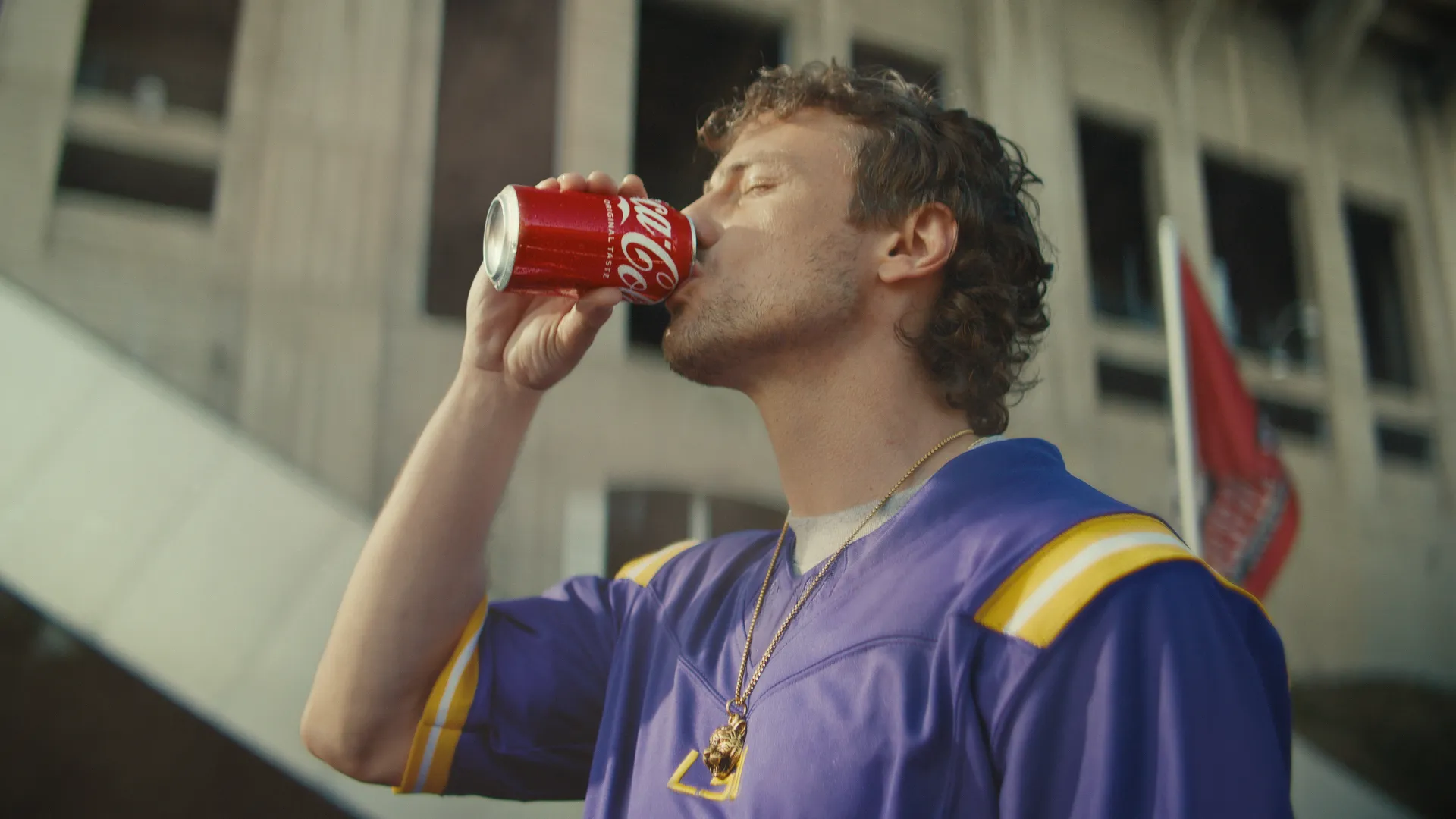
Coca-Cola is being sued by the estate of the late country and western singer Johnny Cash over the use of a Johnny Cash-sound alike in an ad that runs at US college football matches.


The lawsuit, filed last week in Nashville, Tennessee, as reported in multiple news stories including this from The Guardian, has been brought under Tennessee’s recently enacted Ensuring Likeness Voice and Image Security Act, also known as the ELVIS Act, which was signed into law in March 2024. Nashville is widely regarded as the 'Country Music Capital of the World'.


The Elvis Act was supposed to be targeted at AI generated ‘deepfakes’ of well-known individuals and expanded the state’s existing right-of-publicity protections to include an individual’s voice. Tech companies raised multiple objections during its passage, but were unable to halt it. However, during debates in the Tennessee legislature, supporters responded to questions over the impact on tribute bands with assurances that such acts were not the intended target.


In the Johnny Cash case just launched in Tennessee, the estate has said that while it has previously licensed Cash’s songs, Coca-Cola did not ask for permission in this case.


Tim Warnock, a lawyer for the Cash estate, said in the filing: “Stealing the voice of an artist is theft. It is theft of his integrity, identity and humanity. The trust brings this lawsuit to protect the voice of Johnny Cash – and to send a message that protects the voice of all of the artists whose music enriches our lives.”


The singer on the ad, Shawn Barker, works as a professional Cash impersonator. A spokesperson for Barker told Billboard magazine that his team was “thrilled when we were approached to have Shawn sing vocals for this commercial”.


Cash’s estate has also cited a 1988 ruling in Midler v. Ford Motor Co., which saw Bette Midler battling in court against Ford and its ad agency, Young & Rubicam, after the agency used a Bette Midler impersonator in an ad without her permission, and after she had refused to sing on the ad.


Ford was held not to be at fault; but Y&R was ordered to pay Midler damages of $400,000. The agency appealed all the way to the US Supreme Court, which upheld the damages in a 1992 ruling. That case is seen as one of the earliest to establish a ‘right of publicity’ in the US that protects a performer from copying.


Johnny Cash’s estate is seeking an injunction to remove the ad from the air, damages under the Elvis act, and damages for alleged violations of consumer protections in Tennessee.


Coca-Cola has not yet made any comment on the matter, although a press release on its website, published mid-September 2025, does promote the latest version of the ad campaign: “Coca‑Cola is once again saluting college football’s “Best Fans Ever” this season by bringing the great taste of Coca‑Cola and Coca‑Cola® Zero Sugar to campuses across the country. The third iteration of the brand’s fall sports campaign celebrates an often-overlooked group — away-team fans — who do the “thirstiest work” by traveling far from home and tailgating in unfamiliar territory while still showing up with unwavering energy.”


Image: Coca-Cola


Coca-Cola is being sued by the estate of the late country and western singer Johnny Cash over the use of a Johnny Cash-sound alike in an ad that runs at US college football matches.


The lawsuit, filed last week in Nashville, Tennessee, as reported in multiple news stories including this from The Guardian, has been brought under Tennessee’s recently enacted Ensuring Likeness Voice and Image Security Act, also known as the ELVIS Act, which was signed into law in March 2024. Nashville is widely regarded as the 'Country Music Capital of the World'.


The Elvis Act was supposed to be targeted at AI generated ‘deepfakes’ of well-known individuals and expanded the state’s existing right-of-publicity protections to include an individual’s voice. Tech companies raised multiple objections during its passage, but were unable to halt it. However, during debates in the Tennessee legislature, supporters responded to questions over the impact on tribute bands with assurances that such acts were not the intended target.


In the Johnny Cash case just launched in Tennessee, the estate has said that while it has previously licensed Cash’s songs, Coca-Cola did not ask for permission in this case.


Tim Warnock, a lawyer for the Cash estate, said in the filing: “Stealing the voice of an artist is theft. It is theft of his integrity, identity and humanity. The trust brings this lawsuit to protect the voice of Johnny Cash – and to send a message that protects the voice of all of the artists whose music enriches our lives.”


The singer on the ad, Shawn Barker, works as a professional Cash impersonator. A spokesperson for Barker told Billboard magazine that his team was “thrilled when we were approached to have Shawn sing vocals for this commercial”.


Cash’s estate has also cited a 1988 ruling in Midler v. Ford Motor Co., which saw Bette Midler battling in court against Ford and its ad agency, Young & Rubicam, after the agency used a Bette Midler impersonator in an ad without her permission, and after she had refused to sing on the ad.


Ford was held not to be at fault; but Y&R was ordered to pay Midler damages of $400,000. The agency appealed all the way to the US Supreme Court, which upheld the damages in a 1992 ruling. That case is seen as one of the earliest to establish a ‘right of publicity’ in the US that protects a performer from copying.


Johnny Cash’s estate is seeking an injunction to remove the ad from the air, damages under the Elvis act, and damages for alleged violations of consumer protections in Tennessee.


Coca-Cola has not yet made any comment on the matter, although a press release on its website, published mid-September 2025, does promote the latest version of the ad campaign: “Coca‑Cola is once again saluting college football’s “Best Fans Ever” this season by bringing the great taste of Coca‑Cola and Coca‑Cola® Zero Sugar to campuses across the country. The third iteration of the brand’s fall sports campaign celebrates an often-overlooked group — away-team fans — who do the “thirstiest work” by traveling far from home and tailgating in unfamiliar territory while still showing up with unwavering energy.”

Image: Coca-Cola


Coca-Cola is being sued by the estate of the late country and western singer Johnny Cash over the use of a Johnny Cash-sound alike in an ad that runs at US college football matches.


The lawsuit, filed last week in Nashville, Tennessee, as reported in multiple news stories including this from The Guardian, has been brought under Tennessee’s recently enacted Ensuring Likeness Voice and Image Security Act, also known as the ELVIS Act, which was signed into law in March 2024. Nashville is widely regarded as the 'Country Music Capital of the World'.


The Elvis Act was supposed to be targeted at AI generated ‘deepfakes’ of well-known individuals and expanded the state’s existing right-of-publicity protections to include an individual’s voice. Tech companies raised multiple objections during its passage, but were unable to halt it. However, during debates in the Tennessee legislature, supporters responded to questions over the impact on tribute bands with assurances that such acts were not the intended target.


In the Johnny Cash case just launched in Tennessee, the estate has said that while it has previously licensed Cash’s songs, Coca-Cola did not ask for permission in this case.


Tim Warnock, a lawyer for the Cash estate, said in the filing: “Stealing the voice of an artist is theft. It is theft of his integrity, identity and humanity. The trust brings this lawsuit to protect the voice of Johnny Cash – and to send a message that protects the voice of all of the artists whose music enriches our lives.”


The singer on the ad, Shawn Barker, works as a professional Cash impersonator. A spokesperson for Barker told Billboard magazine that his team was “thrilled when we were approached to have Shawn sing vocals for this commercial”.


Cash’s estate has also cited a 1988 ruling in Midler v. Ford Motor Co., which saw Bette Midler battling in court against Ford and its ad agency, Young & Rubicam, after the agency used a Bette Midler impersonator in an ad without her permission, and after she had refused to sing on the ad.


Ford was held not to be at fault; but Y&R was ordered to pay Midler damages of $400,000. The agency appealed all the way to the US Supreme Court, which upheld the damages in a 1992 ruling. That case is seen as one of the earliest to establish a ‘right of publicity’ in the US that protects a performer from copying.


Johnny Cash’s estate is seeking an injunction to remove the ad from the air, damages under the Elvis act, and damages for alleged violations of consumer protections in Tennessee.


Coca-Cola has not yet made any comment on the matter, although a press release on its website, published mid-September 2025, does promote the latest version of the ad campaign: “Coca‑Cola is once again saluting college football’s “Best Fans Ever” this season by bringing the great taste of Coca‑Cola and Coca‑Cola® Zero Sugar to campuses across the country. The third iteration of the brand’s fall sports campaign celebrates an often-overlooked group — away-team fans — who do the “thirstiest work” by traveling far from home and tailgating in unfamiliar territory while still showing up with unwavering energy.”
Image: Coca-Cola


Coca-Cola is being sued by the estate of the late country and western singer Johnny Cash over the use of a Johnny Cash-sound alike in an ad that runs at US college football matches.


The lawsuit, filed last week in Nashville, Tennessee, as reported in multiple news stories including this from The Guardian, has been brought under Tennessee’s recently enacted Ensuring Likeness Voice and Image Security Act, also known as the ELVIS Act, which was signed into law in March 2024. Nashville is widely regarded as the 'Country Music Capital of the World'.


The Elvis Act was supposed to be targeted at AI generated ‘deepfakes’ of well-known individuals and expanded the state’s existing right-of-publicity protections to include an individual’s voice. Tech companies raised multiple objections during its passage, but were unable to halt it. However, during debates in the Tennessee legislature, supporters responded to questions over the impact on tribute bands with assurances that such acts were not the intended target.


In the Johnny Cash case just launched in Tennessee, the estate has said that while it has previously licensed Cash’s songs, Coca-Cola did not ask for permission in this case.


Tim Warnock, a lawyer for the Cash estate, said in the filing: “Stealing the voice of an artist is theft. It is theft of his integrity, identity and humanity. The trust brings this lawsuit to protect the voice of Johnny Cash – and to send a message that protects the voice of all of the artists whose music enriches our lives.”


The singer on the ad, Shawn Barker, works as a professional Cash impersonator. A spokesperson for Barker told Billboard magazine that his team was “thrilled when we were approached to have Shawn sing vocals for this commercial”.


Cash’s estate has also cited a 1988 ruling in Midler v. Ford Motor Co., which saw Bette Midler battling in court against Ford and its ad agency, Young & Rubicam, after the agency used a Bette Midler impersonator in an ad without her permission, and after she had refused to sing on the ad.


Ford was held not to be at fault; but Y&R was ordered to pay Midler damages of $400,000. The agency appealed all the way to the US Supreme Court, which upheld the damages in a 1992 ruling. That case is seen as one of the earliest to establish a ‘right of publicity’ in the US that protects a performer from copying.


Johnny Cash’s estate is seeking an injunction to remove the ad from the air, damages under the Elvis act, and damages for alleged violations of consumer protections in Tennessee.


Coca-Cola has not yet made any comment on the matter, although a press release on its website, published mid-September 2025, does promote the latest version of the ad campaign: “Coca‑Cola is once again saluting college football’s “Best Fans Ever” this season by bringing the great taste of Coca‑Cola and Coca‑Cola® Zero Sugar to campuses across the country. The third iteration of the brand’s fall sports campaign celebrates an often-overlooked group — away-team fans — who do the “thirstiest work” by traveling far from home and tailgating in unfamiliar territory while still showing up with unwavering energy.”

Inngot's online platform identifies all your intangible assets and demonstrates their value to lenders, investors, acquirers, licensees and stakeholders

Accreditations

Cyber Essentials Plus 2025
psr sow accredited supplier
IVSC member

Copyright © Inngot Limited 2019-2025. All rights reserved.

Inngot's online platform identifies all your intangible assets and demonstrates their value to lenders, investors, acquirers, licensees and stakeholders

Accreditations

Cyber Essentials Plus 2025
psr sow accredited supplier
IVSC member

Copyright © Inngot Limited 2019-2025. All rights reserved.

Inngot's online platform identifies all your intangible assets and demonstrates their value to lenders, investors, acquirers, licensees and stakeholders

Accreditations

Cyber Essentials Plus 2025
psr sow accredited supplier
IVSC member

Copyright © Inngot Limited 2019-2025. All rights reserved.

Inngot's online platform identifies all your intangible assets and demonstrates their value to lenders, investors, acquirers, licensees and stakeholders

Accreditations

Cyber Essentials Plus 2025
psr sow accredited supplier
IVSC member

Copyright © Inngot Limited 2019-2025. All rights reserved.