US state to pay $85m for IP rights to famous horse races Preakness Stakes and the Black-Eyed Susan
24 Jun 2026
Author
Martin Croft
PR & Marketing Manager
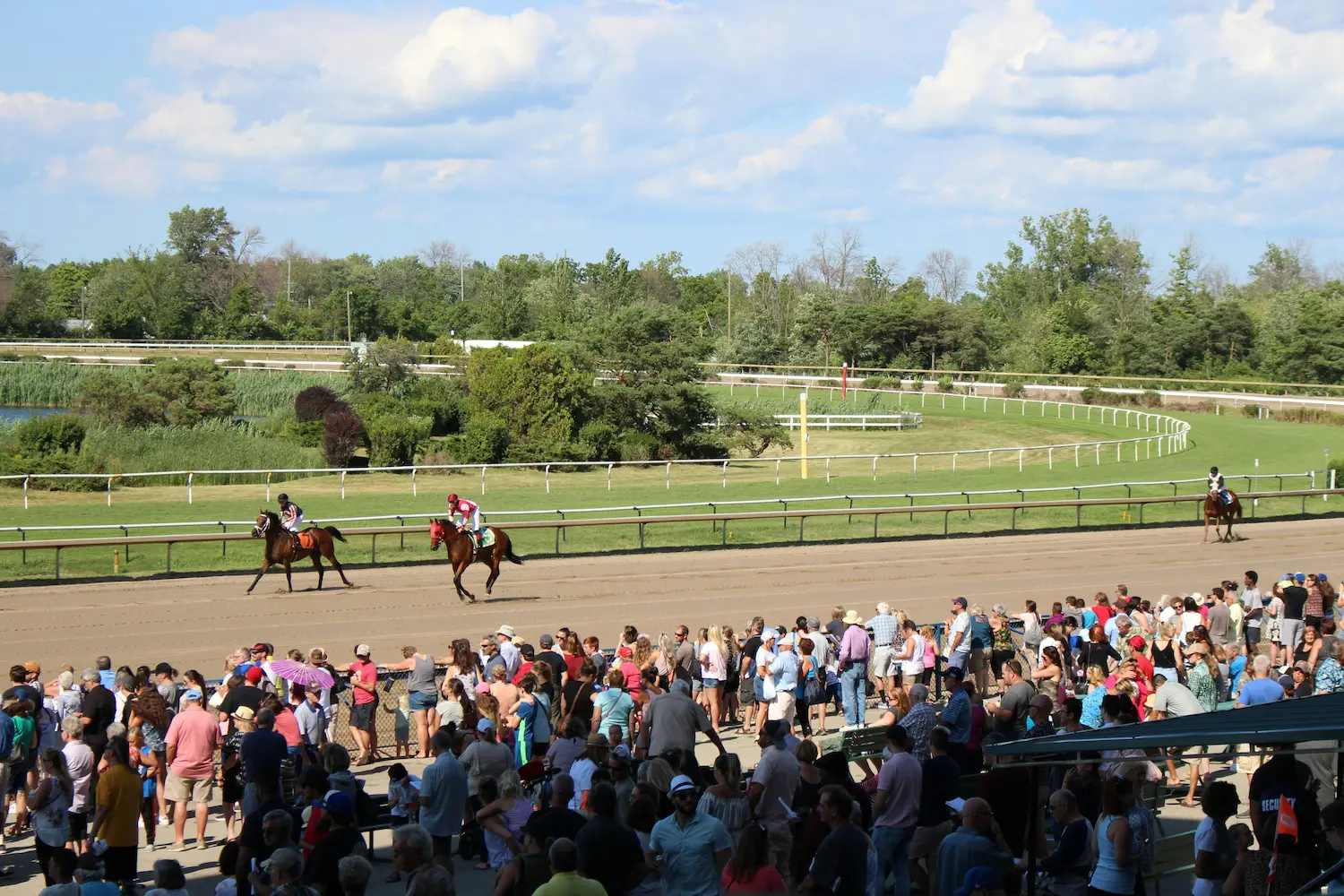
Photo by Katee Lue on Unsplash
Maryland’s Governor, Wes Moore, has announced that the US state is exercising its right of first refusal to match an $85m offer recently made by Churchill Downs, Inc. to acquire the intellectual property (IP) rights to the Preakness Stakes and the Black-Eyed Susan Stakes, two significant American horse races.
In a statement, Governor Moore says “By exercising this right, the State of Maryland will secure ownership of these iconic racing assets, ensuring that Maryland remains in firm control of the state’s multi-billion dollar horseracing industry for decades. The Preakness Stakes is more than just a race; it is a cornerstone of Maryland’s history, culture, and economy.”
In April, Churchill Downs Incorporated, which already owns the Kentucky Derby, announced plans to acquire the intellectual property, including all trademarks and associated rights, of the Preakness Stakes and Black-Eyed Susan Stakes races (the Preakness IP) for $85m from current owners, 1/ST Maryland LLC, subject to the relevant approvals.
The right of first refusal was written into Maryland legislation that allowed the state to take over the Pimlico racetrack in Baltimore, which usually hosts the Preakness Stakes (but which is currently being redeveloped at a cost of around $400m, so the race is being run elsewhere).
Maryland officially took ownership of the Pimlico Race Course in May 2024 from the Stronach Group and its consumer facing brand, 1/ST. However, 1/ST was given the right to lease the bundle of rights back to the state each year for a fee of $3m with annual increases of 2.5 percent. 1S/T also got a 2% share of gross wagering on the Preakness and the Black-Eyed Susan Stakes. Together, these fees are estimated to cost the state around $6m annually.
The Preakness Stakes, the Kentucky Derby, and the Belmont Stakes, together make up the US Triple Crown, three races for three-year old thoroughbred horses; only 13 horses have won all three races, and the achievement is considered one of the most prestigious in US horseracing as the three races take place over a five-week period.
As reported in The Guardian at the time CDI's bid for the IP rights was announced, CDI was to grant the State of Maryland exclusive rights to license Preakness IP for a fee, so the state could continue organising and managing the Preakness Stakes and another race for fillies, the Black-Eyed Susan Stakes.
However, the latest announcement from Governor Moore says: “The decision to exercise the State’s right of first refusal follows a strategic evaluation of the offer made by Churchill Downs. With the State already holding ownership of Pimlico Race Course, the pending purchase of Laurel Park Race Course, and overseeing the management of the Preakness, this decision to acquire the IP rights completes the State’s control over the essential assets of the race.”
The statement adds: “By owning the IP, the State will no longer be subject to the disadvantageous fee structure of the existing exclusive licensing agreement, which would have escalated costs for the State over time. Instead, the State will operate under a model that prioritizes industry health and community benefit, consistent with the nonprofit model adopted by the Maryland Jockey Club.”
Pimlico is now owned and operated by a non-profit company called the Maryland Jockey Club controlled by the state. With the state now holding the intellectual property rights, those payments will no longer go to an outside company.
The redeveloped Pimlico Race Course will, according to the last statement from the Governor’s office, support over 500 jobs, with the previous 15 racing days a year increasing to more than 100.
The statement adds: “As the centerpiece of Maryland’s Thoroughbred racing industry - which sustains more than 28,000 jobs and has generated approximately $3 billion in economic impact - the new Pimlico Race Course will be a year-round hub of economic activity for Park Heights, surrounding communities, and Baltimore City.”
Maryland plans to issue a bond to finance the purchase of the IP rights, which will be paid by from the savings in licensing fees. A quick calculation indicates that the state should be able to pay off this bond in around 14 years, assuming an annual saving of $6m in licensing fees.