WIPO GII Innovation Cluster report: China leads global rankings, followed by US, Germany, and UK

Author
Martin Croft
PR & Marketing Manager
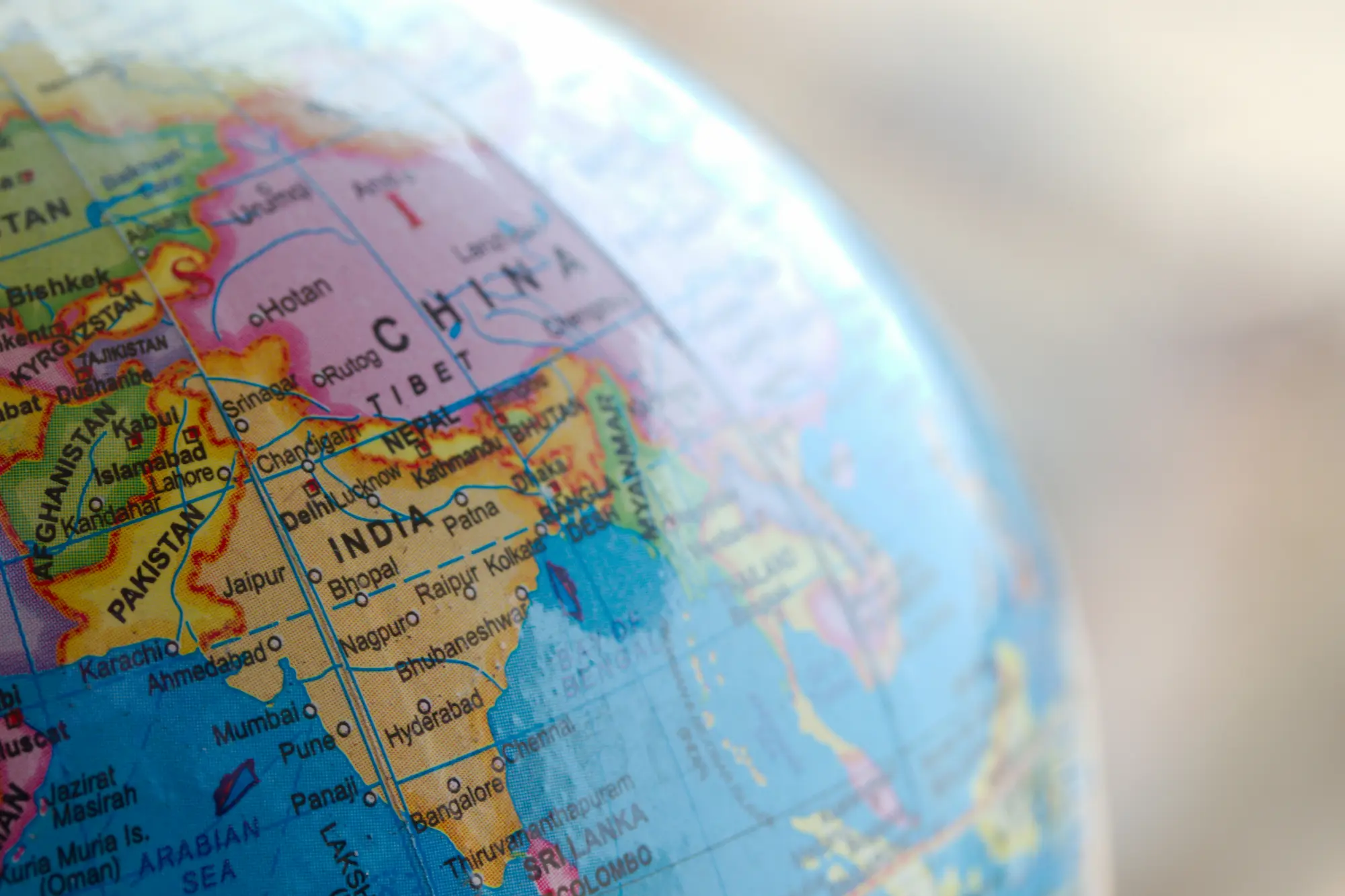
Photo by Raghavendra V. Konkathi on Unsplash
In advance of the publication of the annual Global Innovation Index at the end of this month, the World Intellectual Property Organisation (WIPO) has released a taster for this year’s finding in the form of the Innovation Cluster Ranking 2026.
This year’s Innovation Cluster Ranking found that the top five innovative clusters in the world are:
Shenzhen–Hong Kong–Guangzhou (China and Hong Kong, China)
Tokyo–Yokohama ( Japan)
San Jose–San Francisco (United States)
Beijing (China)
Seoul (Republic of Korea)
Together, the report says, these five clusters account for approximately 32.9% of global PCT patent applications filed in 2026, roughly one in every three PCT applications worldwide.
The report also ranks countries according to the number of top 100 Innovation Clusters they have.
China has the most clusters, with 25, followed by the US, with 20. The next three slots are occupied by Germany, with seven clusters, and India and the UK both on four.
The Innovation Cluster report is produced as part of the main GII research. The GII, in its 19th edition this year, is published annually by WIPO, in partnership with independent nonpartisan research and educational body, the Portulans Institute. Founded in 2019, the Portulans Institute is an independent nonprofit, nonpartisan research and educational institute focused on providing global leaders with the best available data and analyses to help guide policymaking.
The main GII Index uses some 80 indicators, ranging from research and development (R&D) spending, venture capital (VC) deals, high-tech exports, and intellectual property filings, to evaluate and rank nearly 140 world economies on their innovative performance.
As part of the research, it also identifies and ranks the world’s leading Innovation Clusters, mapping them to show where innovation activity is concentrated globally.
It identifies these clusters by analysing patent filings, scientific publications, and venture capital deals, to identify locations and areas with the densest populations of inventors, scientific authors, and venture capitalists.
The report also identifies the innovation clusters with the most intensive activity (measured by innovative activity relative to population size). The top five clusters in terms of innovation intensity in 2026 are:
San Jose–San Francisco (United States)
Cambridge (United Kingdom)
Ningde (China)
Boston–Cambridge (United States)
Oxford (United Kingdom)
San Jose–San Francisco and Cambridge retain the top two positions for a second consecutive year, while Ningde (China) rises to third — up from fourth in 2025 — driven by the dominant patent activity of CATL, a global leader in battery technology.
The full GII for 2026 will be published on September 29, 2026. Since its launch in 2007, WIPO says, the GII has shaped the innovation measurement agenda and become a cornerstone of economic and innovation policymaking, with governments systematically analysing their GII results and using them to design policy responses to improve innovation performance.